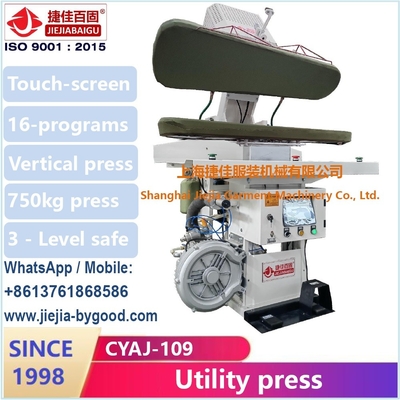
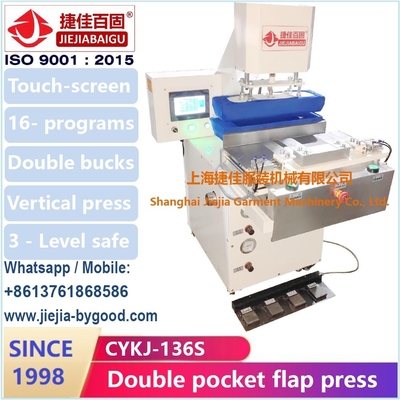
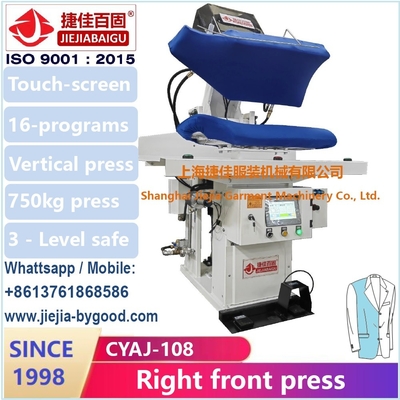
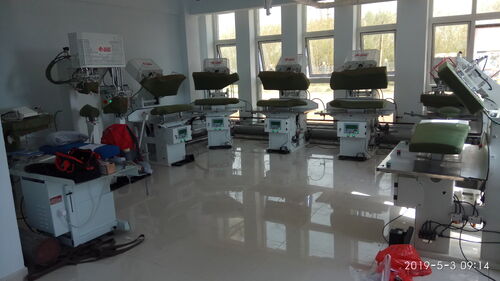
Πώς να Επιλέξετε τη Σωστή Μηχανή Πίεσης Κοστουμιών για την Εταιρία Κομμωτικής σας: Ένας Πρακτικός Οδηγός για τον Αγοραστή
2026-10-12
.gtr-container-a7f3c9 {
font-family: Verdana, Helvetica, "Times New Roman", Arial, sans-serif;
font-size: 14px;
line-height: 1.6;
color: #1a1a2e;
max-width: 100%;
box-sizing: border-box;
padding: 0;
margin: 0;
}
.gtr-container-a7f3c9 *,
.gtr-container-a7f3c9 *::before,
.gtr-container-a7f3c9 *::after {
box-sizing: border-box;
}
.gtr-container-a7f3c9 p {
font-size: 14px;
line-height: 1.6;
text-align: left;
margin: 0 0 14px 0;
color: #2c2c3e;
}
.gtr-container-a7f3c9 .gtr-h2 {
font-size: 18px;
font-weight: bold;
color: #0000FF;
line-height: 1.4;
margin: 28px 0 12px 0;
padding: 0 0 8px 0;
border-bottom: 2px solid #d0d0ff;
letter-spacing: 0.2px;
}
.gtr-container-a7f3c9 .gtr-h2:first-child {
margin-top: 0;
}
.gtr-container-a7f3c9 img {
display: inline-block;
vertical-align: top;
margin: 4px 6px 4px 0;
border-radius: 6px;
}
.gtr-container-a7f3c9 .gtr-table-wrap {
overflow-x: auto;
margin: 18px 0;
border-radius: 8px;
box-shadow: 0 1px 4px rgba(0, 0, 255, 0.08);
}
.gtr-container-a7f3c9 table {
width: 100%;
border-collapse: collapse !important;
border-spacing: 0 !important;
border: 1px solid #c5c5f0 !important;
font-size: 14px !important;
background-color: #ffffff !important;
table-layout: auto;
}
.gtr-container-a7f3c9 table th {
background-color: #0000FF !important;
color: #ffffff !important;
font-size: 14px !important;
font-weight: bold !important;
text-align: left !important;
padding: 10px 12px !important;
border: 1px solid #0000cc !important;
line-height: 1.5 !important;
word-break: normal !important;
overflow-wrap: break-word !important;
}
.gtr-container-a7f3c9 table td {
background-color: #ffffff !important;
color: #2c2c3e !important;
font-size: 14px !important;
text-align: left !important;
padding: 10px 12px !important;
border: 1px solid #d8d8f5 !important;
line-height: 1.5 !important;
word-break: normal !important;
overflow-wrap: break-word !important;
}
.gtr-container-a7f3c9 table tbody tr:nth-child(even) td {
background-color: #f4f4ff !important;
}
.gtr-container-a7f3c9 table tbody tr:hover td {
background-color: #e8e8ff !important;
}
.gtr-container-a7f3c9 ul {
list-style: none !important;
margin: 14px 0;
padding: 0 0 0 20px;
}
.gtr-container-a7f3c9 ul li {
position: relative;
font-size: 14px;
line-height: 1.6;
text-align: left;
margin: 0 0 10px 0;
padding: 0 0 0 4px;
color: #2c2c3e;
}
.gtr-container-a7f3c9 ul li::before {
content: "•" !important;
position: absolute !important;
left: -16px !important;
color: #0000FF !important;
font-weight: bold;
font-size: 16px;
line-height: 1.6;
}
.gtr-container-a7f3c9 ul li strong {
color: #0000FF;
font-weight: bold;
}
.gtr-container-a7f3c9 .gtr-faq {
margin: 18px 0;
padding: 0;
}
.gtr-container-a7f3c9 .gtr-faq p {
margin: 0 0 12px 0;
padding: 12px 16px;
background-color: #f4f4ff;
border-left: 3px solid #0000FF;
border-radius: 0 6px 6px 0;
font-size: 14px;
line-height: 1.6;
text-align: left;
color: #2c2c3e;
}
.gtr-container-a7f3c9 .gtr-faq p:last-child {
margin-bottom: 0;
}
.gtr-container-a7f3c9 .gtr-faq p strong {
color: #0000FF;
font-weight: bold;
}
.gtr-container-a7f3c9 p strong {
color: #0000FF;
font-weight: bold;
}
@media (min-width: 768px) {
.gtr-container-a7f3c9 {
max-width: 860px;
margin: 0 auto;
padding: 8px 0;
}
.gtr-container-a7f3c9 .gtr-h2 {
font-size: 18px;
margin: 34px 0 14px 0;
}
.gtr-container-a7f3c9 p {
margin: 0 0 16px 0;
}
.gtr-container-a7f3c9 .gtr-faq p {
padding: 14px 20px;
}
.gtr-container-a7f3c9 table th,
.gtr-container-a7f3c9 table td {
padding: 12px 16px !important;
}
}
Η επιλογή της κατάλληλης μηχανής πρεσαρίσματος κοστουμιών είναι μια από τις πιο σημαντικές αποφάσεις εξοπλισμού που μπορεί να πάρει μια επιχείρηση ραπτικής. Η λάθος μηχανή παράγει ασυνεπή φινιρίσματα, καταστρέφει ευαίσθητο μαλλί και αυξάνει το κόστος ενέργειας — ενώ η σωστή μπορεί να διπλασιάσει την ημερήσια παραγωγή και να προστατεύσει τη φήμη σας. Αυτός ο οδηγός αναλύει τους πρακτικούς παράγοντες που λαμβάνουν υπόψη οι έμπειροι ράφτες και οι τελειοποιοί ενδυμάτων πριν αγοράσουν.
1. Ξεκινήστε με τον Πραγματικό σας Όγκο Παραγωγής
Πολλά εργαστήρια αγοράζουν με βάση το "ένστικτο" αντί για την παραγωγικότητα. Αντιστοιχίστε τη χωρητικότητα της μηχανής με την πραγματική σας ημερήσια παραγωγή πριν από οτιδήποτε άλλο, επειδή η υπερβολική αγορά αποστραγγίζει σιωπηλά τους προϋπολογισμούς ενέργειας και συντήρησης.
Ημερήσια παραγωγή
Προτεινόμενο σύστημα
Γιατί ταιριάζει
10–30 ενδύματα
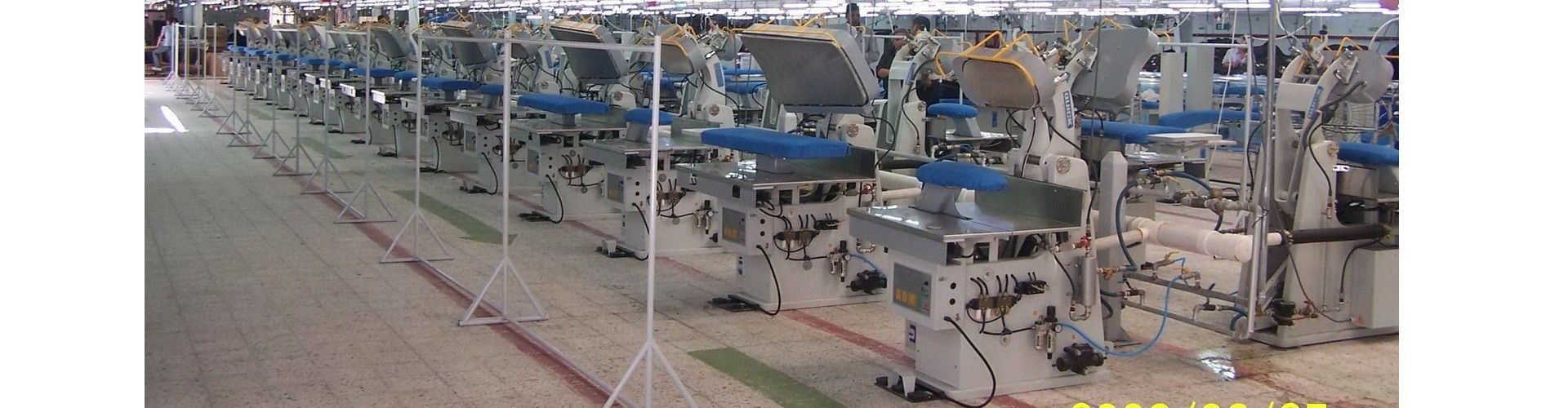
Χειροκίνητη πρέσα ατμού + τραπέζι κενού
Οικονομικό, ευέλικτο, χαμηλή κατανάλωση ενέργειας
30–80 ενδύματα
Επαγγελματικό τραπέζι κενού + ανεξάρτητος λέβητας
Ταχύτερη ανάκτηση ατμού, σταθερή ποιότητα
80+ ενδύματα
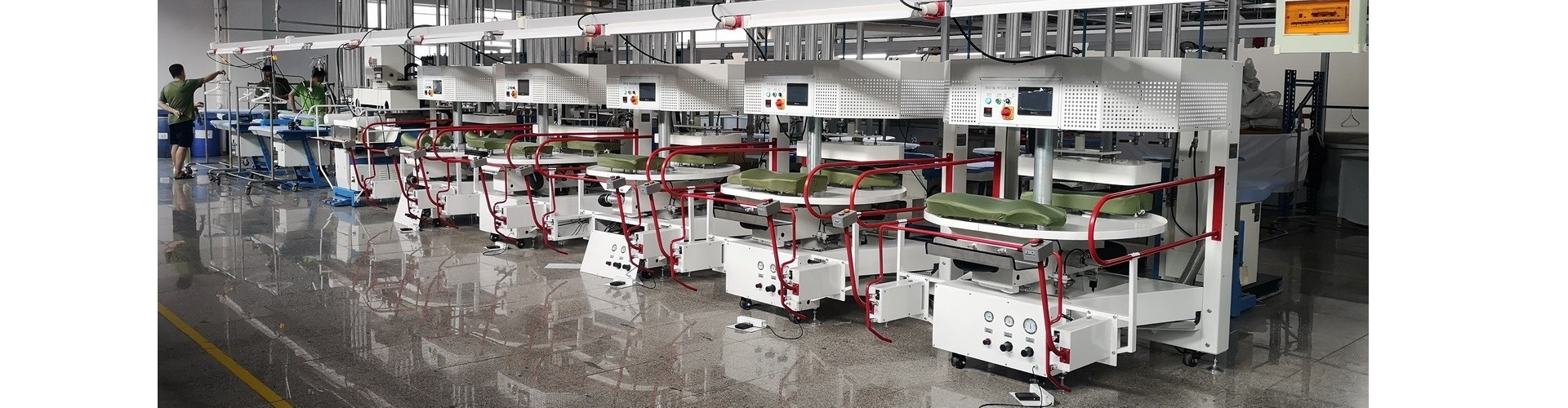
Βιομηχανική περιστρεφόμενη / αρθρωτή γραμμή πρέσας
Μέγιστη παραγωγικότητα, ελάχιστος χρόνος διακοπής λειτουργίας
Ε: Πρεσάρω λιγότερα από 10 κοστούμια την ημέρα — χρειάζομαι βιομηχανική μηχανή;Α: Όχι. Η υπερβολική αγορά σημαίνει πληρωμή για χωρητικότητα και ενέργεια που δεν χρησιμοποιείτε ποτέ. Μια ποιοτική πρέσα με τραπέζι κενού προσφέρει την ίδια ποιότητα φινιρίσματος σε χαμηλό όγκο, μειώνοντας τα λειτουργικά κόστη.
Ε: Πόσο χρόνο πρέπει να παίρνει το πρεσάρισμα ενός μόνο σακακιού;Α: Με αντίστοιχη ανάκτηση ατμού και κενό, 3–6 λεπτά είναι τυπικό. Το σταθερά 10+ λεπτά συνήθως σηματοδοτεί αναντιστοιχία πίεσης ή κενού, όχι έλλειψη δεξιοτήτων του χειριστή.
2. Αντιστοιχίστε το Σύστημα Θέρμανσης και Ατμού με τα Υφάσματά σας
Το μαλλί, το βαμβάκι, το λινό και τα συνθετικά υλικά αντιδρούν πολύ διαφορετικά στη θερμότητα και την υγρασία. Μια μηχανή χωρίς ρυθμιζόμενο έλεγχο ατμού και θερμοκρασίας θα κάψει ευαίσθητα υφάσματα και θα αφήσει το βαρύ μαλλί επίπεδο.
Ενσωματωμένος λέβητας: γρήγορη θέρμανση, εξοικονομεί χώρο, ιδανικό για λιγότερα από 50 ενδύματα την ημέρα.
Ανεξάρτητος λέβητας: ταχύτερη ανάκτηση υπό συνεχή φορτίο για υψηλότερο όγκο.
Σύστημα κενού: απομακρύνει την υγρασία και σταθεροποιεί την τσάκιση για να αποτρέψει την άσχημη γυαλάδα.
Θερμοστάτης & έλεγχος ατμού: απαραίτητο για κασμίρ, μείγματα μεταξιού και άλλα ευαίσθητα υλικά.
Ε: Είναι ο ενσωματωμένος λέβητας καλύτερος από έναν ξεχωριστό;Α: Οι ενσωματωμένοι λέβητες θερμαίνονται γρηγορότερα και εξοικονομούν χώρο, αλλά οι ξεχωριστοί λέβητες ανακτούν γρηγορότερα υπό συνεχή χρήση — αξίζει την επένδυση για πάνω από περίπου 60 ενδύματα την ημέρα.
Ε: Μπορεί μια μηχανή να χειριστεί τόσο μάλλινα κοστούμια όσο και βαμβακερά πουκάμισα;Α: Ναι, εφόσον προσφέρει ρυθμιζόμενες ρυθμίσεις θερμοκρασίας και ατμού. Οι πρέσες σταθερής θερμοκρασίας είναι η κύρια αιτία καψίματος και γυαλάδας.
3. Πίεση, Κενό και Μέγεθος Τραπεζιού
Η σταθερή πίεση σε ολόκληρη την περιοχή πρεσαρίσματος διαχωρίζει τον επαγγελματικό εξοπλισμό από τις μονάδες οικιακής χρήσης. Ζητήστε από τους προμηθευτές την ονομαστική πίεση σε bar και επιβεβαιώστε τη ροή αέρα του κινητήρα κενού, όχι μόνο την ισχύ του.
Ε: Πόση πίεση χρειάζομαι για βαρύ μαλλί;Α: Για δομημένα μάλλινα σακάκια, αναζητήστε μια πρέσα που διατηρεί περίπου 5–7 bar στην επιφάνεια σιδερώματος. Πολύ λίγη πίεση αφήνει ρυτίδες. πολύ πολλή ισιώνει τη φυσική αίσθηση του υφάσματος.
Ε: Έχει σημασία το μέγεθος του τραπεζιού αν πρεσάρω μόνο σακάκια;Α: Ναι. Ένα τραπέζι μικρότερου μεγέθους αναγκάζει σε επαναλαμβανόμενες επανατοποθετήσεις, σας επιβραδύνει και δημιουργεί άνισες γραμμές φινιρίσματος. Μετρήστε το μεγαλύτερο ένδυμά σας πριν αποφασίσετε.
4. Έλεγχοι, Ασφάλεια και Εργονομία
Οι σύγχρονες μηχανές προσθέτουν αυτόματη απενεργοποίηση, προστασία από υπερθέρμανση και έλεγχο με πεντάλ. Αυτά δεν είναι πολυτέλειες — μειώνουν την κόπωση του χειριστή, αποτρέπουν τα εγκαύματα και μειώνουν τον κίνδυνο ασφάλισης του χώρου εργασίας.
Ε: Αξίζουν οι αυτόματες λειτουργίες ασφαλείας την επιπλέον δαπάνη;Α: Για εργαστήρια με πολλούς χειριστές, απολύτως. Η αυτόματη απενεργοποίηση και οι θερμικές ασφάλειες αποτρέπουν τόσο τα εγκαύματα όσο και την ακριβή καύση των θερμαντικών στοιχείων.
Ε: Ποια εργονομικά χαρακτηριστικά πρέπει να ελέγξω;Α: Ρυθμιζόμενο ύψος τραπεζιού, καλά αποσβεσμένο πεντάλ και εύκολα προσβάσιμο μοχλό ατμού. Η εργονομία επηρεάζει άμεσα την ημερήσια παραγωγή και τη διατήρηση του προσωπικού.
5. Κόστος, Απόδοση Επένδυσης και Υποστήριξη Μετά την Πώληση
Η τιμή αγοράς είναι μόνο μέρος της εξίσωσης. Υπολογίστε το συνολικό κόστος ιδιοκτησίας: κατανάλωση ενέργειας, επεξεργασία νερού, ανταλλακτικά και χρόνος διακοπής λειτουργίας. Μια μηχανή που εξοικονομεί 20 λεπτά την ημέρα μπορεί να αποπληρώσει τον εαυτό της μέσα σε μήνες.
Ε: Τι εγγύηση πρέπει να περιμένω;Α: Οι αξιόπιστοι προμηθευτές προσφέρουν 12–24 μήνες για τα κύρια εξαρτήματα και διατηρούν ανταλλακτικά στην περιοχή σας. Ένας αντιπρόσωπος που δεν μπορεί να προμηθεύσει ανταλλακτικά τοπικά είναι ένα κρυφό μακροπρόθεσμο κόστος.
Ε: Πώς επαληθεύω έναν προμηθευτή πριν αγοράσω;Α: Ζητήστε πραγματικές αναφορές πελατών, ένα βίντεο εργοστασίου και μια δοκιμαστική πρέσα στο δικό σας ύφασμα. Οι ειλικρινείς προμηθευτές το καλωσορίζουν — προστατεύει και τις δύο πλευρές.
6. Εγκατάσταση, Εκπαίδευση και Συμμόρφωση
Επιβεβαιώστε τις απαιτήσεις τάσης, φάσης και πιστοποίησης λέβητα στη χώρα σας πριν από την αποστολή. Ζητήστε υποστήριξη εγκατάστασης επί τόπου ή μέσω βίντεο και εκπαίδευση χειριστή — μια δίωρη συνεδρία συνήθως αποτρέπει μήνες δαπανηρών λαθών.
Ε: Χρειάζομαι ειδική ηλεκτρική καλωδίωση;Α: Οι βιομηχανικές πρέσες συχνά απαιτούν τριφασική τροφοδοσία 380V. Ελέγξτε την παροχή της εγκατάστασής σας και επιβεβαιώστε την με τον κατασκευαστή πριν παραγγείλετε.
Ε: Είναι η εκπαίδευση χειριστή πραγματικά απαραίτητη;Α: Ναι. Η σωστή χρονική στιγμή του ατμού και η ακολουθία κενού καθορίζουν άμεσα την ποιότητα του φινιρίσματος. Οι μη εκπαιδευμένοι χειριστές καταστρέφουν περισσότερα ενδύματα από τις ελαττωματικές μηχανές.
Συμπέρασμα: Αποφασίστε με Δεδομένα, Όχι με Εικασίες
Η επιλογή της κατάλληλης μηχανής πρεσαρίσματος κοστουμιών έγκειται στην αντιστοίχιση της χωρητικότητας, της γκάμας υφασμάτων, της πίεσης και της υποστήριξης με την πραγματική σας επιχείρηση. Δώστε προτεραιότητα σε έναν προμηθευτή που παρέχει επαληθεύσιμες αναφορές, άμεση υποστήριξη μετά την πώληση και διαθέσιμα ανταλλακτικά — επειδή μια μηχανή πρεσαρίσματος κοστουμιών είναι μια επένδυση δέκα ετών, όχι μια εφάπαξ αγορά.
Διαβάστε περισσότερα


 Το μήνυμά σας πρέπει να αποτελείται από 20-3.000 χαρακτήρες!